
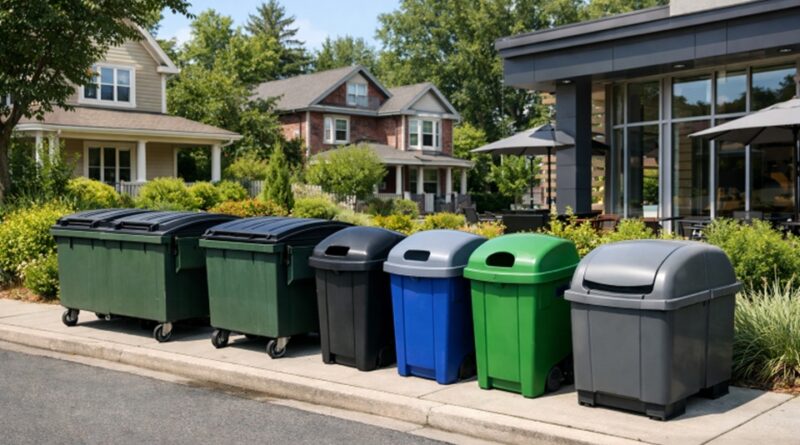
Smart Solutions For Waste Management: Transforming Communities & Businesses
Effective waste management is a major factor in creating eco-friendly and healthy communities. With urban growth and changes in consumption habits, homes and businesses alike are searching for better strategies to streamline their waste processes. In this changing landscape, options such as Dumpster Rentals offer a convenient approach to tackling waste challenges and simplifying cleanup projects throughout Greensboro and beyond.
Whether for residential spring cleaning, business renovations, or community events, having reliable, efficient access to waste containers helps minimize clutter and supports responsible waste disposal. As more communities adopt innovative and data-driven solutions, the role of accessible services like dumpster rentals becomes even more important.
Commercial sites and construction zones with larger volumes of debris often need a specialized waste removal service designed to handle scale. For those projects, Roll Off Dumpster Rentals presents an efficient solution, enabling quick and safe disposal for contractors and facilities managers alike.
Developing an understanding of how waste management is evolving provides value for property owners, business operators, and civic planners. The push for greener standards, compliance with local regulations, and new technology all play vital roles in shaping today’s waste removal strategies. For an in-depth look at the state of recycling in America and the importance of responsible waste management practices, visit this comprehensive guide from the U.S. Environmental Protection Agency.
Challenges In Waste Management
Handling waste effectively remains a persistent challenge globally. Several factors contribute to this complexity:
- Volume Increase: As populations grow and urban areas expand, waste generation rates continue to climb, putting a strain on municipal services and landfill capacities.
- Recycling Inefficiencies: Many regions lack the infrastructure for robust sorting and processing, which hampers recycling rates and increases landfill dependency.
- Environmental Impact: Open dumping, uncontrolled incineration, and leaks from aging landfills cause air, soil, and water pollution, ultimately threatening public health and local ecosystems.
Even in regions with advanced waste management, seasonal fluctuations, disasters, and changes in government policy can quickly put strain on established systems. Public education remains crucial, as improper sorting and contamination can limit the effectiveness of recycling programs. There is also a persistent gap in access to affordable waste solutions for low-income rural and urban neighborhoods, creating uneven environmental and health impacts. Raising awareness among communities and developing innovative, localized programs is necessary for lasting improvement.
Technological Advancements
New technologies are helping to address longstanding inefficiencies in waste handling:
- Smart Bins: Sensors embedded in waste containers measure fill levels and alert haulers when service is required, eliminating unnecessary trips and fuel waste.
- AI Sorting Systems: Artificial intelligence is now being used to automate sorting, increasing the quality and quantity of recycled materials that can be reclaimed from waste streams.
- Data Analytics: Real-time data collection allows haulers and facility managers to spot trends and bottlenecks, leading to more effective deployment of trucks and staff.
Advances in these fields are driven by the urgent need for efficiency and sustainability, with cities implementing smart infrastructure to keep up with modern demands.
Across the globe, cities are also investing in route optimization software that factors in real-time traffic, weather conditions, and fill levels, allowing for dynamic scheduling. This technology can shave hours off collection routes and dramatically reduce the carbon footprint. Mobile apps are empowering citizens to report overflowing bins, hazardous waste, or illegal dump sites, promoting public accountability and faster service responses. These integrated systems help bridge gaps between waste generators, collectors, and processors for a more seamless experience.
Case Studies
There are inspiring examples of smart waste management practices already in action:
- City of Trinity, Texas: This small city partnered with Ecowaste Solutions to modernize its approach, introducing new equipment and streamlining collections to reduce costs and improve service quality.
In addition to the Trinity case, larger urban centers like San Francisco and Seoul have pioneered waste-sorting initiatives by providing residents with color-coded bins and real-time feedback on recycling accuracy through mobile notifications. Elsewhere, pilot programs in European cities have utilized pay-as-you-throw smart bins integrated with user identification, rewarding individuals and businesses for reducing waste at the source. Such projects show the potential for scalable solutions in communities of all sizes, especially when supported by strong public engagement and clear incentives.
Benefits Of Smart Waste Management
Embracing innovative solutions in waste handling delivers a range of tangible advantages:
- Cost Reduction: Efficiency gains lead to lower spend on fuel, labor, and equipment wear, which benefits both private companies and city governments.
- Environmental Protection: Improved recycling rates and smarter waste diversion decrease greenhouse gas emissions and reduce reliance on landfills.
- Enhanced Public Health: Reducing illegal dumping and improving containment lowers health risks associated with pests, air quality issues, and hazardous materials.
Additionally, successful smart waste management initiatives can boost civic pride and encourage greater community participation. Local governments and private contractors can use positive results to attract green-minded businesses and investments, further driving economic development while enhancing quality of life. The use of advanced tracking and reporting can also simplify regulatory compliance, making it easier for stakeholders to meet and demonstrate adherence to environmental standards.
Implementing Smart Solutions
Transitioning to advanced waste management practices requires a systematic approach:
- Assess Needs: Begin with a clear analysis of current waste generation patterns, site-specific challenges, and community goals.
- Choose Technology: Select from proven tools such as smart bins, route optimization software, or AI-powered recycling equipment based on scale and available resources.
- Train Staff: Invest in training and education, so all team members understand how to operate new technologies while following safety protocols.
- Monitor Performance: Establish metrics to track efficiency, cost savings, and environmental impact, then use this data to drive ongoing improvements.
Collaboration with technology providers is essential for customizing systems to meet specific municipal or commercial needs. Strong leadership and public outreach can help ensure adoption and compliance across all stakeholders. Furthermore, securing local or state government funding, grants, or public-private partnerships can make pioneering projects more financially viable, allowing for phased rollouts and future upgrades as new technologies emerge.
Future Trends
The future of waste management is shaped by rapid technology adoption:
- Integration of IoT: Internet of Things devices are connecting every point of the waste management chain for real-time monitoring and response.
- Advanced Robotics: Robots will increasingly automate the sorting and processing of waste, reducing manual labor and increasing recycling yields.
- Blockchain for Transparency: Digital records are improving traceability in waste transport and disposal, building trust among regulators, providers, and the public.
Other emerging innovations include the use of renewable energy sources to power waste operations, turning landfill gases or organic waste into electricity. As circular economy initiatives drive product manufacturers to take more responsibility for end-of-life recovery, we can expect further collaboration between producers, waste managers, and government agencies. Educational campaigns, robust feedback systems, and continuous investment in R&D will help guide the industry as it responds to regulatory, environmental, and consumer expectations in the years ahead.
Conclusion
Smart waste management is essential for cleaner, more sustainable communities. By adopting technologies that increase operational efficiency, communities and businesses can better cope with increasing waste demands and environmental responsibilities. As the shift towards data-driven solutions continues, informed planning and reliable services will remain central to effective waste removal and recycling efforts.
In summary, the evolution of waste management extends beyond the adoption of new gadgets or equipment. It requires a holistic approach, integrating advanced infrastructure, responsive public policy, ongoing community education, and sustained private-sector partnerships. By remaining proactive and embracing innovation, cities and organizations can substantially reduce environmental impact and build a healthier future for generations to come.