
Category

More

Home / More
CAT Mock Tests
Education

CAT Mock Tests: Your Key To Ace The Exam

The Common Admission Test (CAT) is a significant gateway for aspirants seeking admission into prestigious MBA programs. With fierce competition and limited seats, CAT preparation demands a strategic approach. Among the many tools available, CAT mock tests stand out as essential components to improve performance. In this article, we will explore the power of CAT mock test, their benefits, and how Hitbullseye’s online CAT preparation can be a game-changer in your journey to acing the exam.

The Power Of CAT Mock Tests

CAT mock tests are invaluable practice tools that simulate the real exam environment. They create a mock exam atmosphere, enabling aspirants to experience the pressure, time constraints, and question patterns of the actual CAT exam.

By taking mock tests, candidates can identify their strengths and weaknesses, gain insights into their performance, and develop effective strategies to tackle the exam confidently. Moreover, mock tests are an excellent opportunity to build essential time management skills, as they help candidates allocate time wisely and handle the different sections effectively.

Benefits Of CAT Mock Tests

1. Performance Analysis & Tracking Progress:

Mock tests provide a detailed analysis of performance, offering insights into areas that need improvement. Regularly taking mock tests allows aspirants to track their progress, evaluate their readiness for the exam, and identify trends in their performance.

2. Error Rectification & Learning From Mistakes:

Mock tests help candidates learn from their mistakes. By analyzing the solutions and understanding the correct approach to solving questions, aspirants can rectify errors and avoid repeating them in the actual exam.

3. Familiarity With Question Patterns:

Through consistent practice with mock tests, candidates become familiar with the variety of question patterns typically seen in CAT. This familiarity enhances confidence and reduces anxiety during the actual exam.

4. Reduced Exam Anxiety & Stress:

Taking CAT mock tests helps candidates develop a calm and composed approach to the exam. As they gain experience with timed practice and real exam conditions, anxiety and stress levels decrease significantly.

Hitbullseye’s Online CAT Preparation

Hitbullseye, a leading CAT coaching institute, offers a comprehensive online platform tailored for CAT aspirants. Their online CAT preparation program encompasses a range of resources designed to maximize candidates’ potential for success.

1. Mock Tests Tailored For CAT Exam:

Hitbullseye provides a vast array of mock tests that closely resemble the actual CAT exam. These tests cover all three sections—Verbal Ability & Reading Comprehension (VARC), Data Interpretation & Logical Reasoning (DILR), and Quantitative Aptitude (QA). The questions are curated by expert faculty members, ensuring the highest level of quality and relevance.

2. Comprehensive Study Material & Video Lectures:

Aspirants can access a wealth of study material, including video lectures and concept clarity sessions. These resources cover fundamental concepts and shortcut techniques, making learning engaging and effective.

3. Expert Guidance & Mentor Support:

Hitbullseye’s online CAT preparation offers personalized support from experienced mentors. Candidates can seek guidance, participate in strategy sessions, and get their doubts resolved promptly, enhancing their understanding and performance.

4. Interactive Webinars & Doubt-Solving Sessions:

The platform hosts interactive webinars where CAT experts provide valuable insights and tips. Doubt-solving sessions are also conducted regularly to ensure that candidates receive continuous support and clarifications.

How To Make The Most Of CAT Mock Tests

To extract maximum benefit from CAT mock tests, candidates should follow these tips:

1. Consistent Practice & Regular Testing:

Consistent practice with mock tests is essential for improving speed and accuracy. Regular testing helps aspirants build confidence and develop a comfortable test-taking approach.

2. Analyzing Mock Test Results & Performance:

Analyzing mock test results enables candidates to identify their strengths and weaknesses. Understanding areas that need improvement allows aspirants to focus their efforts accordingly.

3. Time Management Strategies:

Practicing with timed mock tests aids in developing effective time management strategies. Candidates learn to allocate time to each section and avoid getting stuck on time-consuming questions.

4. Learning From Mock Test Solutions:

Understanding the solutions of mock tests helps candidates learn the correct approach to solving problems. Learning from mistakes and adopting the right techniques contribute to improved performance.

Hitbullseye’s Unique Features

Hitbullseye stands out as a unique CAT preparation platform due to its various features:

1. Customized Study Plans Based On Mock Test Analysis:

The platform offers customized study plans based on aspirants’ mock test performance. These tailored plans assist candidates in focusing on areas that need more attention.

2. Weekly Tips & Tricks For CAT Preparation:

Hitbullseye provides weekly tips and tricks, which are highly beneficial for enhancing performance in specific CAT sections. These tips help aspirants streamline their preparation and gain a competitive edge.

3. Real Exam Simulations & Adaptive Testing:

The platform offers real exam simulations, giving aspirants a sense of the actual CAT exam environment. Adaptive testing ensures that candidates experience tests at their respective skill levels.

4. Engaging & User-Friendly Platform:

Hitbullseye’s online CAT preparation offers a user-friendly interface, making navigation and access to resources effortless. Engaging content and interactive features make learning enjoyable and productive.

Tips To Excel In CAT Mock Tests

To excel in CAT mock tests, aspirants should keep in mind the following tips:

1. Setting Realistic Goals & Targets:

Setting achievable goals helps candidates stay motivated and focused throughout their preparation journey.

2. Creating A Study Schedule & Sticking To It:

A well-planned study schedule ensures that candidates cover all topics systematically and make steady progress.

3. Practicing With Timed Mock Tests:

Regularly practising with timed mock tests enhances speed and improves time management skills.

4. Using Mock Tests As Learning Opportunities:

Instead of being discouraged by low scores, aspirants should treat mock tests as learning opportunities and work on areas that need improvement.

Conclusion

CAT mock tests are indispensable tools in a candidate’s journey to acing the CAT exam. With Hitbullseye’s online CAT preparation, aspirants gain access to expertly-curated mock tests, comprehensive study material, and guidance from experienced mentors. Hitbullseye’s innovative approach and unique features make it an ideal platform to maximize your CAT preparation potential.

So, gear up, prepare diligently, and conquer the CAT with Hitbullseye by your side. Best of luck on your CAT journey!
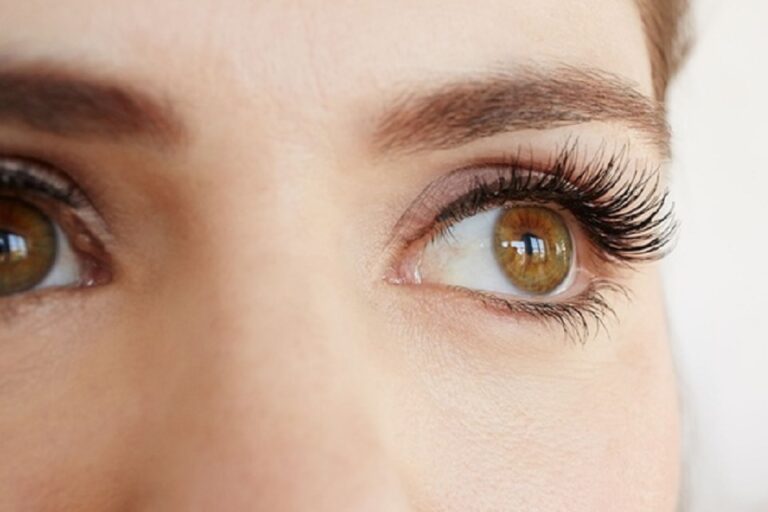
Did Eyelashes Used To Be Called Cumbrellas
Fashion

Did Eyelashes Used To Be Called Cumbrellas?

Ah, the mysterious allure of eyelashes. Those delicate, fluttering fringes that frame our eyes and add a touch of enchantment to our gaze. Have you ever wondered about their origin? How they came to be known as “eyelashes”? Well, prepare to be fascinated by the captivating history behind these tiny yet mighty adornments. But before we delve into the past, let’s unravel an intriguing theory – were eyelashes once referred to as “cumbrellas”? Yes, you read that right! Join us on this journey through time as we explore the fascinating world of eyelashes and uncover some fun facts along the way. So sit back, relax, and bat those cumbrellas for a delightful adventure!

The History Of Eyelashes

Long before the days of mascara wands and falsies, humans have been captivated by the allure of eyelashes. The history of eyelashes dates back thousands of years, with evidence suggesting that ancient Egyptians were among the first to embrace their beauty. These eye-framing wonders were considered a symbol of femininity and power, leading women to enhance their lashes using various natural substances.

In ancient times, kohl was often used as both an eyeliner and lash enhancer. This dark substance was made from crushed minerals like galena and malachite mixed with oils or animal fats. Women would delicately apply this mixture to their lashes, creating a mesmerizing effect that enhanced their eyes’ expressiveness.

As time went on, different cultures developed unique methods for enhancing lashes. In Japan during the Heian period (794-1185), women sought after long, curved lashes referred to as “hikimayu.” They achieved this look by attaching small strips of silk or hair to their own lashes using special adhesives made from resins.

Fast forward to modern times; we now have an array of products dedicated solely to accentuating our lashes – mascaras promising lengthening effects, volumizing formulas for fuller-looking fringe, and even serums designed to promote lash growth.

Eyelashes have come a long way throughout history – evolving from simple adornments rooted in culture and symbolism into a multi-billion-dollar industry driven by beauty trends and personal expression. So next time you bat your luscious cumbrellas in front of the mirror, remember that they carry a rich legacy passed down through generations – reminding us all that. 

How Did They Get Their Name?

Eyelashes have been around for centuries, framing our eyes and adding that touch of allure to our overall look. The origins of the word “eyelash” are quite fascinating.

The term “eyelash” actually comes from an Old English word, “æghlæsc,” which means “eye fringe.” It’s thought that this descriptive term was used to describe the delicate hairs that surround the eyes, much like a fringe frames a curtain. Over time, this evolved into the modern-day word we use today.

Interestingly enough, there is no direct correlation between eyelashes and umbrellas – so where does the idea of calling them “cumbrellas” come from? Well, it seems to be nothing more than a playful and whimsical invention. There is no historical evidence or linguistic basis for such a connection. It’s simply one of those quirky ideas that may have gained some traction in certain circles but has never been widely accepted or recognized.

So while eyelashes may not have any official connection to umbrellas (or cumbrellas), they still hold their own unique charm and significance in enhancing our facial features and protecting our precious peepers from dust particles and debris.

Stay tuned for more fun facts about eyelashes as we explore their fascinating history!

Fun Facts About Eyelashes

Eyelashes are not only a prominent feature of our eyes but also serve important functions. Here are some fascinating and lesser-known facts about these little strands:

1. Protection and Sensation: One primary function of eyelashes is to protect our eyes from debris, dust, and small particles that could cause irritation or injury. They act as a natural barrier, preventing foreign objects from entering the eye.

2. Length Variation: Did you know that the length of your eyelashes can vary? On average, upper lashes tend to be longer than lower lashes. However, there can be individual variations in length within each person’s set of lashes.

3. Shedding Process: Just like hair on our head, eyelashes have a growth cycle too! Each lash goes through three phases – anagen (active growth), catagen (transition phase), and telogen (resting phase) before it eventually sheds naturally.

4. Blink Reflex: When something comes close to our eyes unexpectedly, we involuntarily blink as part of a protective reflex mechanism controlled by sensory nerves connected to the lash follicles.

5. Average Number: You might be surprised to learn that an average person has around 100-150 upper lid lashes while the lower lid usually houses around 70-80 lashes!

6. Curvature Matters: The shape and curvature of your eyelashes also play a role in protecting your eyes by helping divert airflow away from them, reducing evaporation of tears.

7. Mascara Origins: Although mascara has been used for centuries to enhance eyelash appearance, its modern formulation was invented by Eugene Rimmel in the nineteenth century using petroleum jelly mixed with coal dust or ashes!

These fun facts shed light on just how intriguing our seemingly simple yet essential eyelashes truly are! Appreciating their uniqueness adds another layer to understanding their importance in both functional and aesthetic aspects.

How To Take Care Of Your Eyelashes

Eyelashes are not just a beauty accessory; they also serve an important purpose in protecting our eyes from dust, debris, and other foreign particles. Here are some tips on how to keep your eyelashes healthy and beautiful.

First and foremost, avoid rubbing your eyes vigorously. This can cause damage to both your lashes and the delicate skin around your eyes. Instead, gently cleanse your lashes with a mild cleanser or makeup remover using a cotton pad or a clean mascara wand.

Be cautious when applying mascara. Always choose high-quality products that are specifically formulated for sensitive eyes. Additionally, make sure to remove all traces of mascara before going to bed using an oil-free eye makeup remover.

Next, give your lashes some breathing room by taking breaks from wearing false eyelashes or lash extensions. While these can enhance your look temporarily, prolonged use can weaken natural lashes and even lead to lash loss.

Additionally, consider incorporating essential oils into your eyelash care routine. Oils like castor oil or sweet almond oil have been known to promote lash growth and strengthen their structure when applied regularly along the lash line.

Lastly – but certainly not least – eat a balanced diet rich in vitamins and minerals that support hair growth such as biotin (found in eggs), vitamin E (in nuts), omega-3 fatty acids (in fish), and iron-rich foods like spinach.

Remember: maintaining healthy lashes takes time and effort! By following these simple tips consistently you’ll help ensure that you’re always batting those cumbrellas with confidence!

Conclusion

In this article, we’ve explored the fascinating history of eyelashes and delved into the question of whether they were once called cumbrellas. While there is no evidence to support this intriguing claim, it’s always interesting to uncover the origins and evolution of common beauty practices.

Eyelashes have come a long way from their humble beginnings as protective shields for our eyes. Today, they are considered an essential part of our overall look and can even be enhanced with various products and treatments. Whether you prefer natural or dramatic lashes, taking care of them should be a priority.

Remember to handle your lashes with care, avoid excessive rubbing or pulling on them, and remove eye makeup gently to prevent any damage. Incorporating a lash serum or conditioner into your routine might also help promote healthy growth.

So next time you flutter those lovely lashes in front of someone special or bat them playfully at a friend’s funny joke, take a moment to appreciate their unique beauty and the role they play in enhancing our expressive powers.

While we may never know if eyelashes were once referred to as cumbrellas, one thing is certain: these delicate strands continue to captivate us with their grace and allure. So cherish your lashes—they truly are works of art!

1 2 8 9 10
Privacy Settings
We use cookies to enhance your experience while using our website. If you are using our Services via a browser you can restrict, block or remove cookies through your web browser settings. We also use content and scripts from third parties that may use tracking technologies. You can selectively provide your consent below to allow such third party embeds. For complete information about the cookies we use, data we collect and how we process them, please check our Privacy Policy
Youtube
Consent to display content from - Youtube
Vimeo
Consent to display content from - Vimeo
Google Maps
Consent to display content from - Google
Spotify
Consent to display content from - Spotify
Sound Cloud
Consent to display content from - Sound